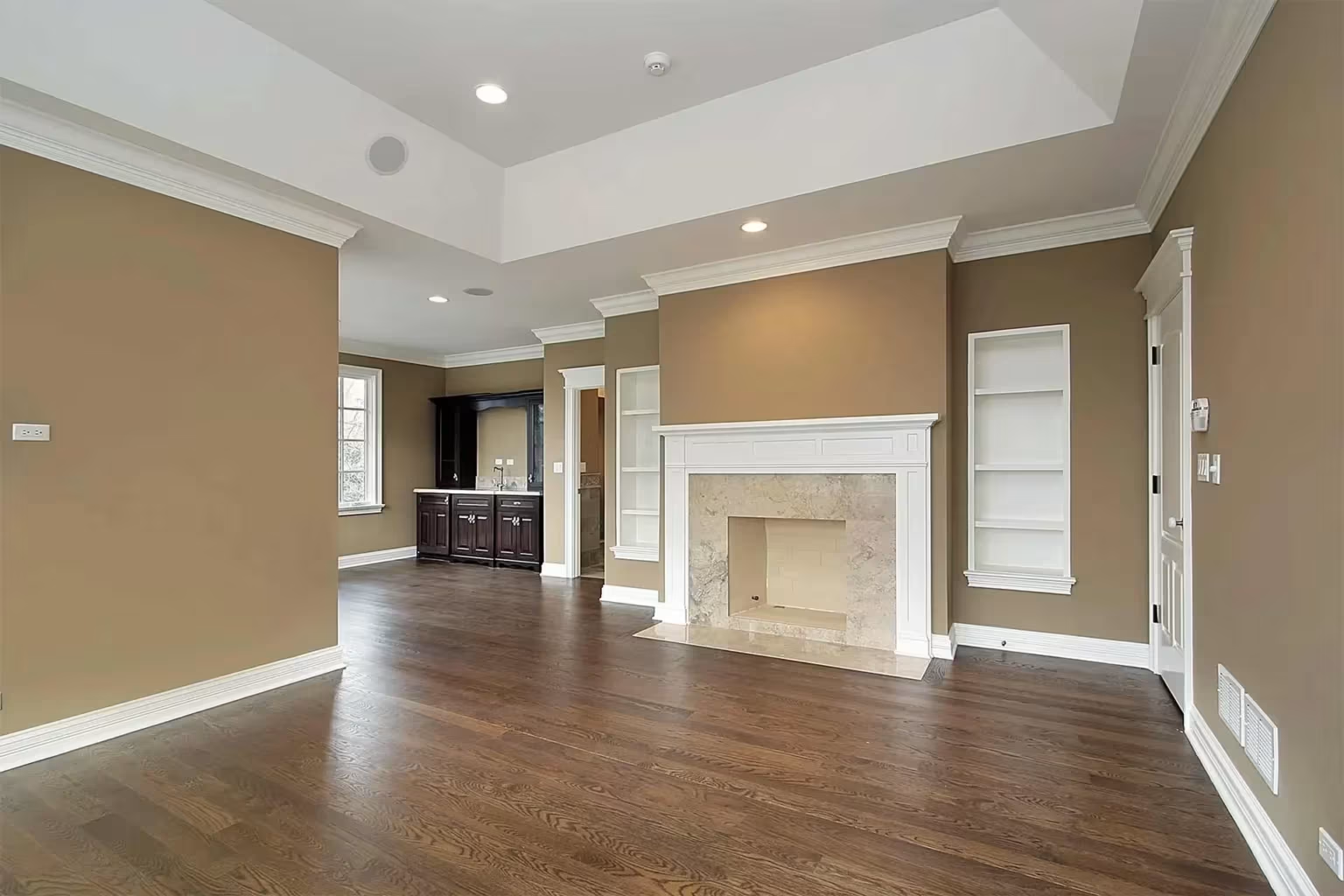


Interior house painting costs in Oklahoma City typically fall into the planning ranges shown in the table below, such as $350–$750 for one 10 × 10 room (walls only); $3,000–$5,500 for a 1,500‑sq.-ft. home (walls only); and $5,000–$9,000 for a 2,000‑sq.-ft. home (walls, ceilings, and trim), with the exact total moving up or down based on prep work, wall condition, ceiling height, and detail work.
| Interior Painting Project | Estimated Cost in Oklahoma City |
|---|---|
| One 10 × 10 room — walls only | $350–$750 |
| 1,000-square-foot home — walls only | $2,000–$4,000 |
| 1,500-square-foot home — walls only | $3,000–$5,500 |
| 2,000-square-foot home — walls only | $4,000–$7,500 |
| 1,000-square-foot home — walls, ceilings, and trim | $2,500–$5,000 |
| 1,500-square-foot home — walls, ceilings, and trim | $3,500–$6,500 |
| 2,000-square-foot home — walls, ceilings, and trim | $5,000–$9,000 |
Important: Actual contractor quotes vary by surface condition, prep work, ceiling height, access, product selection, and scheduling. Contractor invoices can be higher because they include supervision, insurance, equipment, materials handling, protection of floors and furniture, and cleanup.
You notice it when the afternoon light hits the wall just right. Touch-ups from years ago suddenly look like islands. The trim around the door has that sticky, layered feel that never quite cleans up.
If you’re pricing interior painting costs in Oklahoma City, you’ll get different answers unless you anchor your planning to scope and assumptions. This is also where professional interior painting services make the process easier, because a detailed scope prevents surprise add-ons halfway through the job.
Interior painting estimates usually include labor, materials, and prep

Most interior painting estimates include labor, materials, and prep work. That said, “prep” can mean very different things depending on who wrote the bid. This is why a cheap quote can become a costly mistake when the walls start showing patch outlines or uneven sheen.
If you want to sanity-check what’s commonly included, a neutral breakdown of what goes into the cost to paint a room aligns with what most reputable crews account for, especially prep and access.
Prep work drives the swing more than most homeowners expect

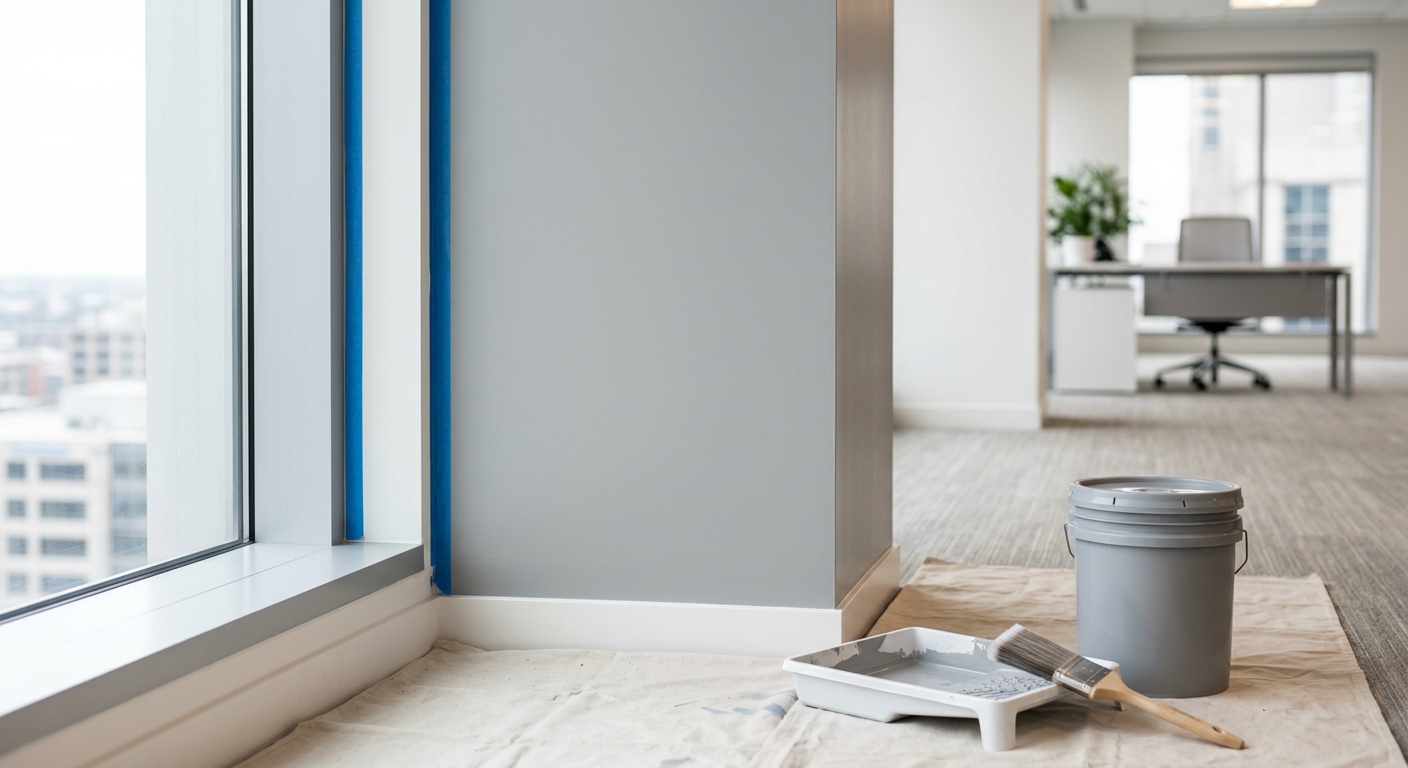
Prep work is the part of the job that determines whether the finish looks clean in natural light. It also determines how well the paint bonds long-term.
Here are a few working-painter details that change outcomes:
Spot-priming patches prevents flashing, which is when repaired areas reflect light differently after the final coat.
Sanding trim details between coats is what keeps doors and baseboards from feeling gritty or looking “roped” along edges.
A tinted primer under deep colors helps coverage look even, especially when you are not using the same color as before.
Wall condition and repairs can shift the scope fast
Wall condition is one of the biggest reasons two homes of similar size land in different ranges. Nail pops, old patchwork, and cracked corners take time because they need proper feather-sanding and sealing before paint goes on.
Drywall repairs also affect how soon work begins. If a crew has to patch, texture, sand, and prime before painting, the schedule becomes a process rather than a single visit.
Square footage matters, but it is not the whole story
Square footage is the quickest way to estimate a starting range. It is also the easiest way to get misled if the home has a lot of doors, windows, and cut-in work.
Square foot pricing can be useful for rough planning, but it often misses complexity. A tight stairwell, a lot of trim, or multiple accent transitions can add labor that simple math does not capture.
Ceiling height and access are silent cost drivers
Ceiling height changes equipment needs and pace. Vaulted ceilings can require specialty ladders or staging, which affects time and safety planning.
Doors are another overlooked driver. Painting doors well takes patience, because they show roller texture and drips more than walls do.

Paint quality affects appearance and longevity
Paint quality affects how smooth the finish looks, how washable it is, and how well it resists scuffs. Higher quality paint can raise the upfront budget, but it often delivers a better finished result and a longer-lasting surface.
Paint colors can also affect labor. Dark or saturated tones may need additional coverage steps, especially when the existing color is much lighter.
Detail work is where “simple repaint” stops being simple
Detail work adds time in ways most people do not see until the crew starts masking. Built-ins, crown molding, baseboard profiles, and cabinet faces all require careful cutting and sanding that a flat wall does not.
Wallpaper removal is a classic example. It often turns into skim coating and sanding before any paint can go on, which is why it should be called out clearly in the scope.
Exterior painting cost is a different conversation than interiors
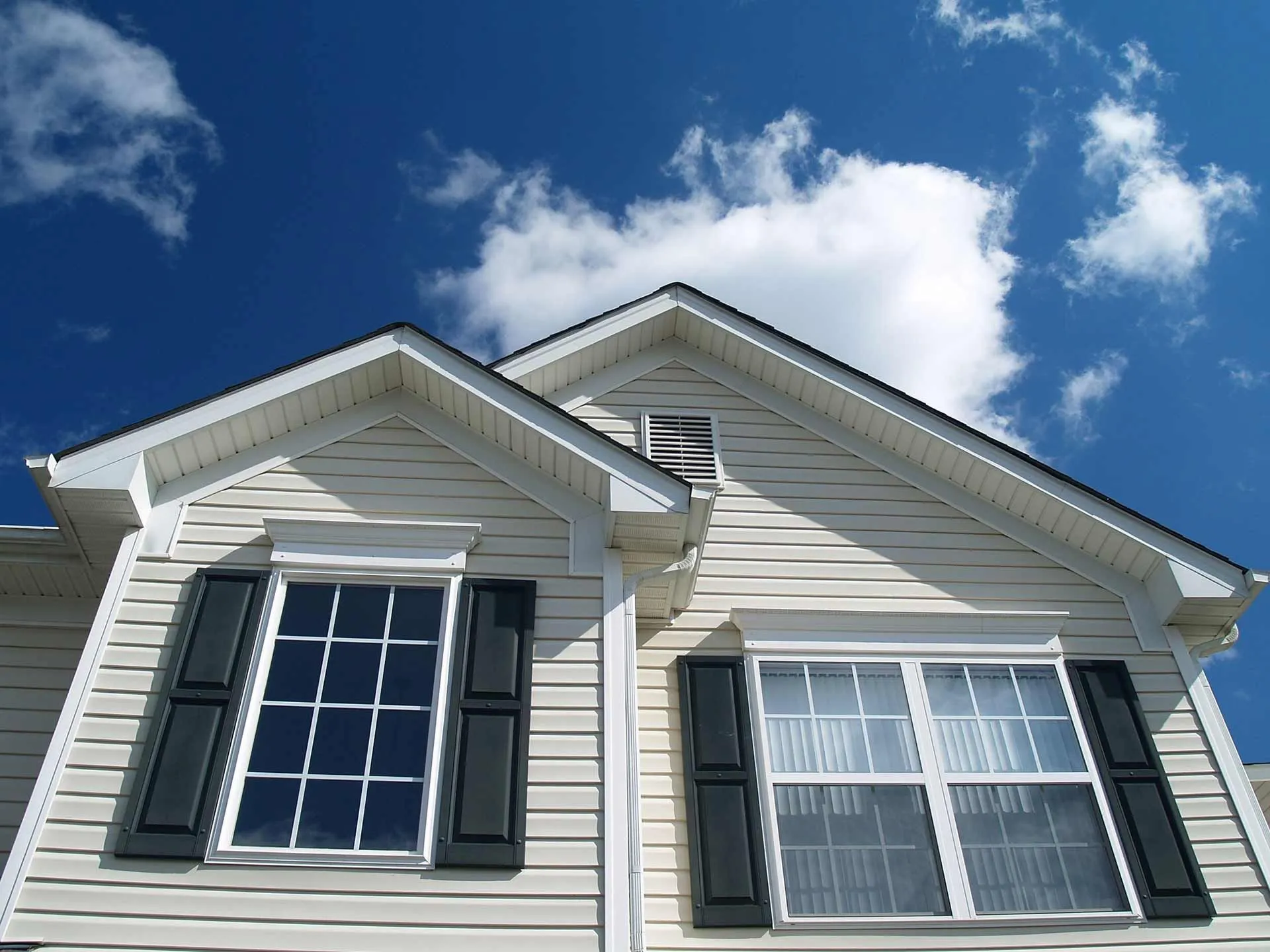
Exterior painting cost is usually driven by weather exposure, surface type, and the amount of scraping, sanding, and priming needed outside. Exterior painting also tends to include more staging, washing, and protection of landscaping.
An exterior repaint can be straightforward on newer siding, but older substrates often need more prep than homeowners expect.
How to compare quotes and get best value in the OKC metro
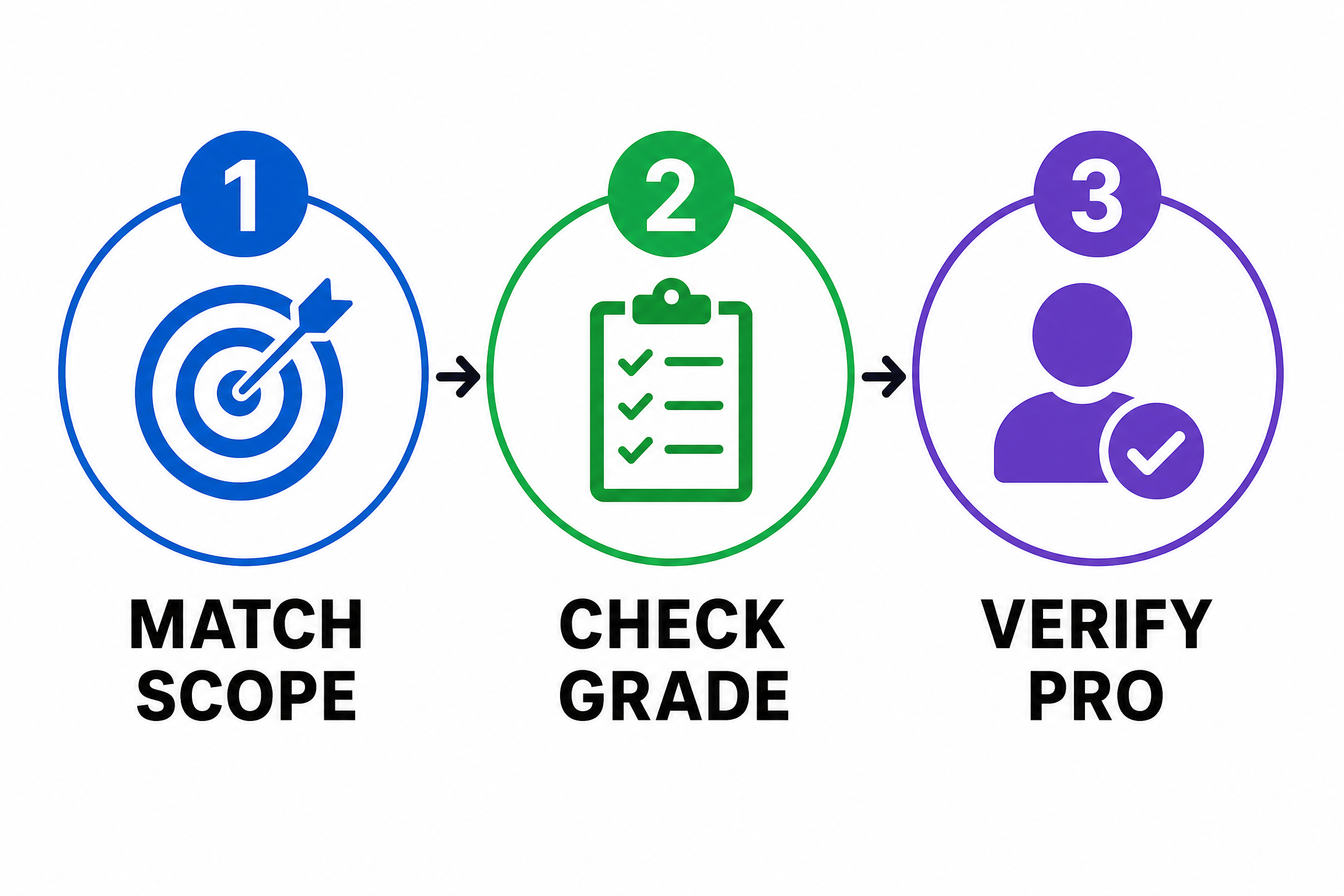
OKC metro homeowners get best value when they compare scopes, not totals. Ask for a written estimate that spells out surfaces, prep, products, number of coats, and what counts as extra.
Professional painters should be able to explain what’s included without getting vague. If a bid avoids specifics about prep needed, that is usually where the shortcuts are hiding.
For homeowners planning painting in Oklahoma City, it helps to start with a local team that can walk the home and build a clear scope. Information about projects in the Oklahoma City area is typically easier to evaluate when it’s tied to real surfaces and real assumptions, not generic “average costs.”
When you want an estimate that reads like a checklist, Next Level Painting can help. The Oklahoma City painting team approach is built around clear scope and clean execution, and it’s easy to start a conversation through the contact page.
FAQs
Should I price per room or price the whole interior at once?
Per-room pricing is simpler, but it is less accurate than whole-home pricing because prep and access do not scale evenly from room to room.
What usually increases interior painting costs the most?
Extensive prep work can significantly increase costs, especially when walls need repair, sanding, or stain-blocking primer.
Does painting trim and doors change the scope a lot?
Yes. Trim and doors require more detail work than walls, and the finish quality depends on sanding, priming, and careful application.
Is it cheaper if I buy paint myself?
Sometimes it looks cheaper upfront, but it can complicate product matching and warranties. Most pros prefer to supply paint so the system is consistent from primer to topcoat.
How do I know if a quote includes enough prep?
Ask what prep is included in writing, including patching, sanding, caulking, and spot priming. Vague language usually means minimal prep.
How do I decide between interior and exterior first?
If you’re planning both, prioritize the surface that protects the home from wear first. Interiors are more about appearance and washability, while exteriors are about weather protection and substrate condition.